Views: 0 Author: Site Editor Publish Time: 2025-02-18 Origin: Site

Radiotherapy is a crucial treatment for many types of cancer, utilizing high-energy radiation to target and destroy cancer cells. During treatment, precision is key to ensuring that the radiation is directed at the tumor while minimizing exposure to surrounding healthy tissues. This is where a radiotherapy mask plays a vital role. But what is a radiotherapy mask for exactly? This article explores its purpose, design, comfort level, and safety considerations post-treatment.
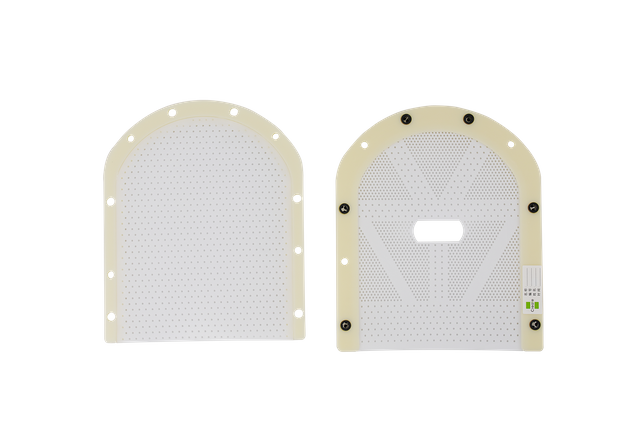
A radiotherapy mask is a custom-made, thermoplastic device used to keep a patient's head, neck, or upper chest still during radiation therapy. It ensures that the treatment is delivered with high accuracy by preventing any unintended movement.
Precision Targeting: Keeps the patient’s head in the same position for accurate radiation delivery.
Safety and Protection: Reduces the risk of damaging surrounding healthy tissues.
Customized Fit: Molded to each patient’s unique facial structure to ensure comfort and stability.
Different radiotherapy masks are used depending on the treatment area and the type of radiation therapy prescribed by oncologists.
| Mask Type | Best For | Material |
|---|---|---|
| Head and Neck Mask | Brain, head, neck, and throat cancers | Thermoplastic |
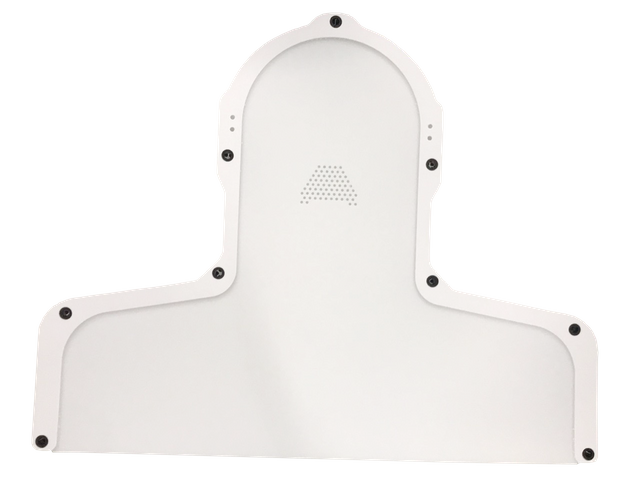
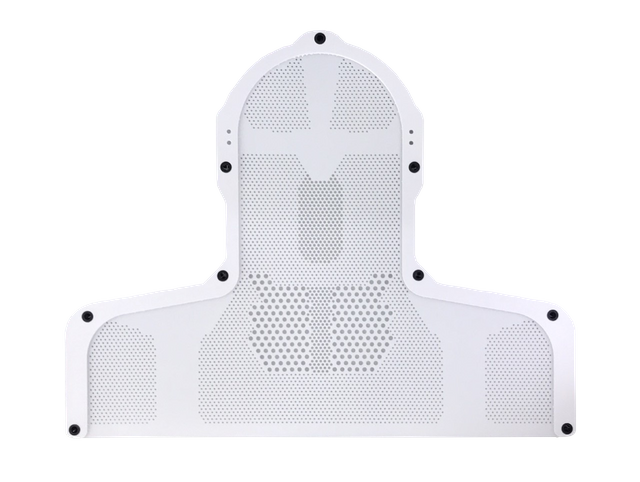
| Full-Body Immobilization Mask | Cancers affecting upper body regions | Mesh or plastic |
| Stereotactic Radiotherapy Mask | High-precision radiation treatments | Rigid thermoplastic |
These masks are typically secured to a treatment table using fasteners to keep the patient still during sessions.
Many patients ask, Is radiation mask uncomfortable? The experience varies for each individual. Since the radiotherapy mask is molded tightly around the face, some patients may feel claustrophobic or experience mild discomfort. However, medical teams ensure the process is as comfortable as possible.
Claustrophobia: Practicing deep breathing and relaxation techniques can help.
Pressure on Face: The mask is snug but should not cause pain; adjustments can be made.
Heat During Molding: The material is warmed to mold around the face but cools quickly.
Most patients adapt to the mask after a couple of sessions, and it remains an essential part of ensuring precise radiation treatment.
After undergoing radiation therapy, many wonder, Is it safe to be around people after radiation treatment? The answer depends on the type of radiation therapy received.
| Radiation Type | Is It Safe to Be Around People? | Explanation |
| External Beam Radiation | Yes | The patient does not retain radiation after treatment. |
| Internal Radiation (Brachytherapy) | Limited | May require isolation for a short period depending on the type. |
| Systemic Radiation Therapy | Caution Advised | Patients may emit low levels of radiation for a few days. |
Oncologists provide specific guidance to ensure patients understand any necessary precautions.
The use of a radiotherapy mask is a fundamental part of radiation therapy for cancers affecting the head, neck, and upper body. By ensuring proper immobilization, these masks significantly improve treatment accuracy and safety.
Enhances Treatment Effectiveness: Precise radiation delivery improves the likelihood of targeting cancer cells.
Reduces Side Effects: Prevents unnecessary exposure to surrounding tissues.
Personalized Fit: Each mask is tailored for maximum comfort and accuracy.
A radiotherapy mask is used to keep the head and neck stable during radiation therapy, ensuring accurate targeting of cancer cells while protecting healthy tissues.
The type of radiotherapy mask depends on the cancer being treated. Common options include head and neck masks for brain and throat cancers and stereotactic masks for high-precision treatments.
Some patients experience mild discomfort due to the tight fit, but most adapt after a few sessions. Doctors can adjust the mask to enhance comfort if needed.
Yes, for external beam radiation therapy. However, for internal radiation treatments, specific precautions may be required.
A radiotherapy mask plays a critical role in ensuring effective and safe radiation treatment. While some patients may initially find it uncomfortable, its benefits far outweigh any temporary discomfort. Understanding what is a radiotherapy mask for, what mask do you need for radiation, and is it safe to be around people after radiation treatment helps patients navigate their treatment journey with confidence.

 English
 简体中文
简体中文